The Short
Answer
It depends entirely on whether the panels are owned, financed, or leased. Owned panels transfer with the home like any other improvement. Financed or leased panels usually come with a UCC-1 filing from the solar company, a public notice of their claim on the equipment that a title company can treat as a cloud on the title. Before the home can close cleanly, that filing has to be cleared, the loan paid off, or the lease transferred to a buyer who qualifies. Handled early, it is routine. Discovered late, it is one of the most common reasons a DFW closing slips.
Solar panels are not all the same at closing. Owned panels are simple. Leased and financed panels usually carry a UCC-1 lien and a contract that must be dealt with before a clean title can transfer. The fix is a payoff, a lease transfer, or a release, and all of it takes time. The single biggest mistake is finding out about the panels in the final week instead of the first.
The Surprise on the Roof
Panels Look Like a Feature. Sometimes They Are a Contract.
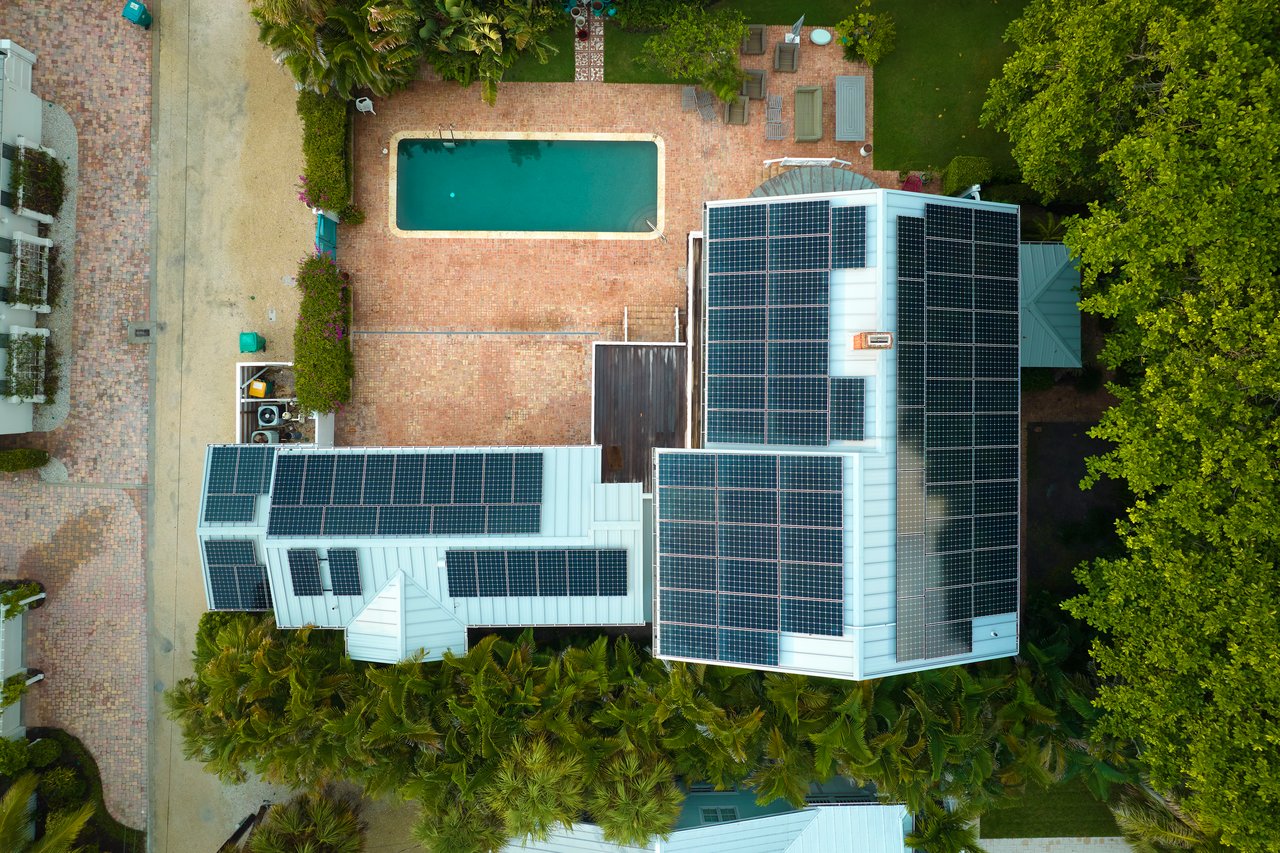
Solar is everywhere across DFW rooftops now, and most of the time it is a genuine selling point. The trouble starts when nobody asks the one question that matters until the deal is already moving: are those panels owned, or is there still a company with a claim on them?
When panels are leased or financed, there is usually a contract and a lien riding along with them, and both have to be sorted out before the home can change hands with clean title. It is very solvable. It is also one of the quiet reasons closings get delayed in this market, and it tends to blindside people who thought the panels were simply a nice upgrade.
The first question about solar panels is never how much power they make. It is who still has a financial claim on them, because that answer decides how the sale has to be structured.
Three Very Different Situations
Owned, Financed, or Leased
Everything about how panels affect a sale comes down to which of these three the seller has.
Owned outright
The seller paid in full and the panels belong to the home. They transfer with the house like a renovated kitchen or a new roof, add value, and create no closing complication. This is the clean case everyone hopes for.
Financed with a solar loan
The seller is buying the panels over time, and there is a balance owed plus a UCC-1 filing securing the lender's interest in the equipment. The loan typically needs to be paid off at closing so the panels transfer free and clear.
Leased or on a power purchase agreement
The panels belong to the solar company, and the homeowner pays monthly to use them or to buy the power they produce. The buyer has to qualify to take over that contract, or the seller has to buy it out. This is the version that causes the most friction.
The Filing That Stalls Things
What a UCC-1 Is, in Plain Terms
When panels are financed or leased, the solar company files a UCC-1 financing statement, a public notice that it holds a security interest in the equipment on the roof. It is not a mortgage on your house. It is a claim on the panels, inverter, and any battery, filed so the world knows the company has a stake in them.
Here is the important nuance. A standard solar fixture filing does not attach to your land or homestead the way a lien from an unpaid debt would. It is a security interest in the equipment, not an encumbrance on the real property. Even so, title companies are cautious by nature, and many will treat the filing as a cloud and decline to issue a clean policy until it is addressed.
That caution is what turns a rooftop upgrade into a closing issue. The title company is not wrong to want it resolved, and the resolution simply takes coordination with the solar company, which is rarely fast.
How It Gets Resolved
The Ways to Clear the Path to Closing
There is more than one way through, and the right one depends on whether the panels are financed or leased and how cooperative the solar company is.
The real enemy is time. Every one of these paths runs through the solar company, and they are not known for moving at the speed of a real estate closing. Payoff quotes, release letters, and lease-transfer approvals can take weeks. Starting the moment a home goes under contract, rather than in the final days, is what keeps solar from blowing the closing date.
What Each Side Should Do
If You Are Buying, and If You Are Selling
Ask whether the panels are owned, financed, or leased before you fall for the home. If leased, get the monthly payment, the remaining term, and the transfer requirements in writing, and make sure you are comfortable qualifying for and carrying that contract for years.
Pull your solar documents before you list. Know your payoff or buyout number, request the release process from your provider early, and disclose the arrangement up front. A buyer who learns about a leased system late is a buyer who starts to walk.
On both sides, the theme is the same. Solar is manageable when it is handled at the start of the transaction and dangerous when it is ignored until the end.
The Regal Standard
How Regal Keeps Solar From Sinking a Deal
The first thing we establish on any home with panels is which of the three situations we are in, because it changes everything that follows. For our sellers, we track down the solar paperwork and the payoff or buyout numbers before the home ever lists, so there are no late surprises that spook a buyer. For our buyers, we get the lease terms on the table early enough to decide with clear eyes.
Then we start the clock with the solar company immediately, because that is where the time goes. Solar is one of those details that separates a smooth closing from a stressful one, and getting ahead of it is exactly the kind of thing we handle before it becomes a problem.
Common Questions
Frequently Asked Questions
What happens to leased solar panels when you sell a house in Texas?
The lease has to be dealt with before the home can close with clean title. Either the buyer qualifies and assumes the lease contract, or the seller buys out the lease so the panels convey with the home. Because the solar company owns the panels and filed a UCC-1 on them, a title company will usually want that resolved before issuing a policy.
What is a UCC-1 filing on solar panels?
It is a public financing statement the solar company files to give notice that it holds a security interest in the panels, inverter, and battery. It is a claim on the equipment, not a mortgage on your land, and a standard solar fixture filing does not attach to the homestead itself. Still, many title companies treat it as a cloud on title and want it cleared before closing.
Can solar panels really kill a home sale?
They can delay or derail one, usually because of timing rather than the panels themselves. Clearing a UCC-1, getting a payoff quote, or approving a lease transfer all run through the solar company, which moves slowly. When this starts in the final week before closing, the date can slip and a frustrated buyer can walk. Started early, it is almost always manageable.
Do owned solar panels cause the same problem?
No. Panels the seller owns outright transfer with the home like any other improvement, add value, and create no lien or contract to resolve. The complications come almost entirely from financed and leased systems, which is why the very first question on a home with solar is which of the three arrangements the seller has.
How much does it cost to buy out a solar lease?
It varies widely by provider, system size, and how much of the term is left, and it can be substantial. Because the number matters to pricing and negotiation, the time to request a buyout quote from the solar company is before listing or before making an offer, not in the middle of the closing process.
As a buyer, should I take over a solar lease?
It can be fine, but only with eyes open. Get the monthly payment, the remaining term, any annual escalator, and the transfer requirements in writing, and decide whether you are comfortable carrying that contract for years. The panels may well save on energy, but a lease is a long commitment, so it belongs in your decision from the start, not as an afterthought.